
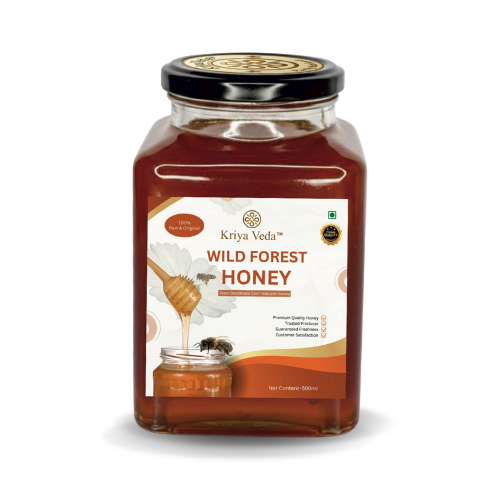
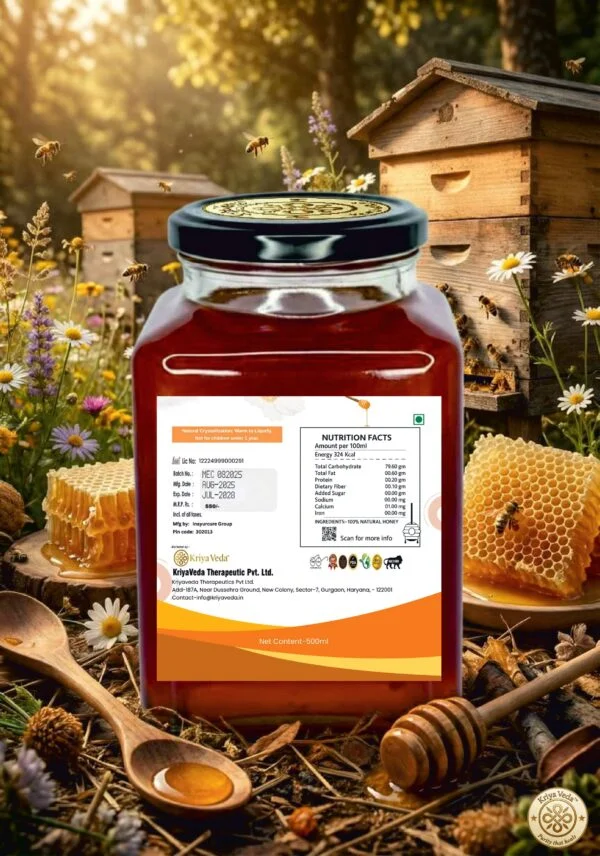
Wild Forest Honey
₹550.00
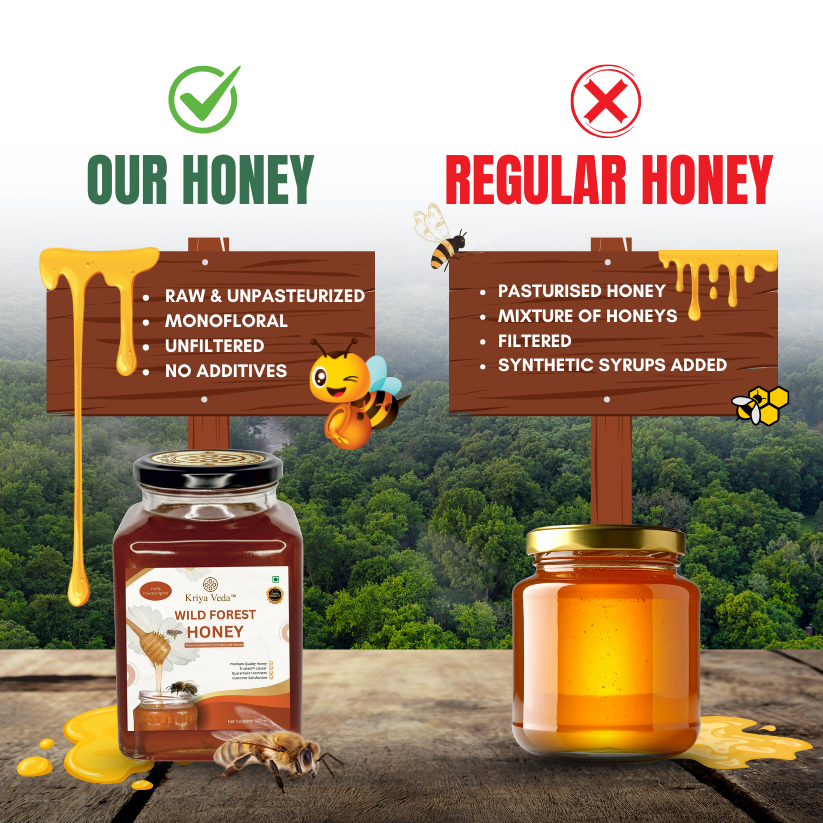
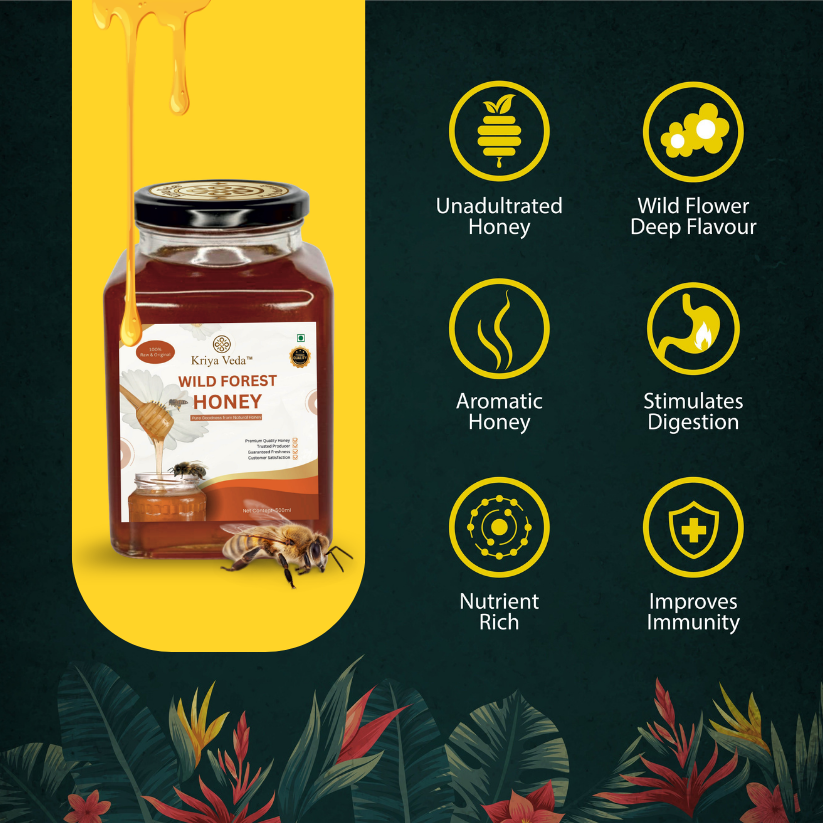
100% pure, raw, unprocessed wild forest honey sourced from pristine hives. Rich in natural antioxidants, enzymes & nutrients—boosts immunity, soothes digestion, supports skin glow, and provides sustained energy. Premium quality, no additives. Deliciously authentic taste. Pure nature in every spoonful.
Description
- Antibacterial action – Osmotic effect (high sugar), low pH, hydrogen peroxide produced by glucose oxidase, and non-peroxide factors (e.g., methylglyoxal in some honeys) inhibit bacterial growth — including antibiotic-resistant strains in some studies. This is crucial for skin/wound infections.
- Anti-inflammatory effects -Honey lowers inflammatory markers at wound sites and in cell studies, reducing swelling and pain and promoting a favorable environment for repair.
- Antioxidant / free-radical scavenging – Forest honeys often contain higher levels of polyphenols & flavonoids (from diverse wild flora). These antioxidants protect tissues from oxidative stress — relevant for immune health and skin aging/repair.
- Immunomodulation – Several studies (in vitro and animal models, some human data) show honey can stimulate innate immune cells (macrophages, neutrophils) and modulate cytokine release — supporting both pathogen defense and regulated inflammation. “Jungle” / wild honeys have shown immune-enhancing and even antitumor activity in experimental work.
- Tissue-regenerative properties (wound healing) – Honey maintains a moist wound bed, promotes autolytic debridement (removal of dead tissue), encourages granulation and epithelialization, and reduces infection — all speeding closure and improving scar outcomes in many wound studies. Medical honey dressings are an established clinical product.
Be the first to review “Wild Forest Honey” Cancel reply
Reviews
There are no reviews yet.