

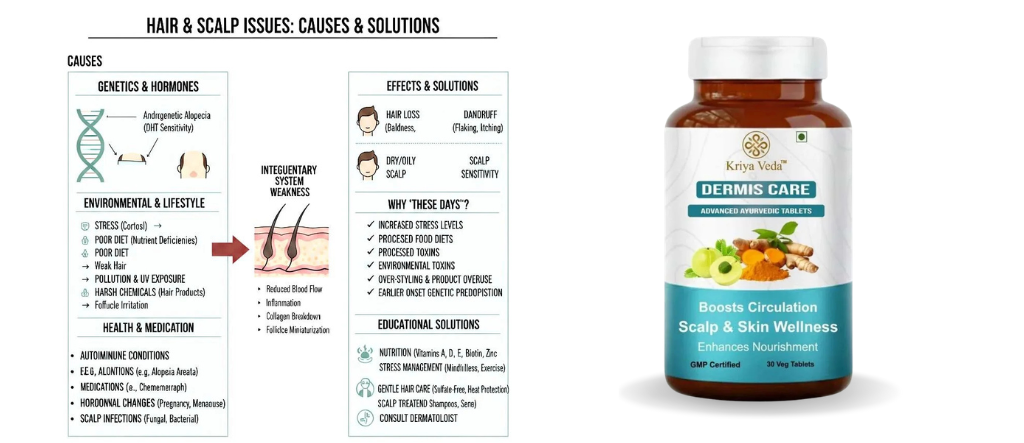
The integumentary system (skin, hair, nails, scalp) is both a barrier and a mirror: it protects internal organs, regulates temperature and immunity, and also visibly reflects systemic health and environment. In the last 10–20 years clinicians have observed rising clinic visits for acne, contact dermatitis, hair loss (especially androgenetic and telogen effluvium), scalp disorders (seborrheic dermatitis, tinea, scalp psoriasis), brittle or discolored nails and chronic inflammatory dermatoses. Multiple interacting drivers — biological, behavioral and environmental — explain this trend. 
Major categories of causes (how and why they matter)
1. Intrinsic and genetic factors
•Genetics determine baseline risk for conditions such as androgenetic alopecia (AGA), atopic dermatitis, psoriasis and certain nail dystrophies. Genes modulate androgen sensitivity in hair follicles, immune pathways in psoriasis/atopic disease, and keratin structure in nails. AGA remains one of the most common causes of patterned hair loss worldwide.
2. Immune-mediated and inflammatory disease
•Disorders such as psoriasis, atopic dermatitis, alopecia areata and autoimmune nail dystrophies are driven by dysregulated immune responses (T-cell subsets, cytokines such as IL-17/IL-23/IL-4/IL-13) and may present across skin, scalp and nails. Chronic low-grade inflammation also contributes to hair cycling disturbances (inflammatory miniaturization) and barrier dysfunction.
3. Endocrine and metabolic causes
•Thyroid dysfunction, polycystic ovarian syndrome (PCOS), insulin resistance and sex-hormone changes alter hair growth patterns, sebum production, skin hydration and nail health. Endocrine disorders should be considered in diffuse hair thinning, sudden nail changes or persistent acne in adults. (See diagnostics below.)
4. Nutritional deficiencies and systemic disease
•Iron deficiency (low ferritin), vitamin D deficiency, biotin insufficiency (rare), protein-calorie deficits and other micronutrient shortfalls can slow hair growth, make hair brittle, thin nails and slow wound healing. Screening is targeted to clinical features and risk factors.
5. Lifestyle and behavioral drivers
•Stress, sleep disruption, poor diet, smoking, alcohol and sedentary behaviour all influence skin and appendage health. Psychodermatology studies show strong links between chronic stress and worsening of acne, psoriasis, atopic dermatitis and telogen effluvium — mediated through neuroendocrine axes (HPA axis), neuropeptides and immune modulation. Poor sleep amplifies inflammation and impairs barrier recovery. Diets high in refined carbohydrates and dairy are associated with acne flares in susceptible individuals. 
6. External environmental exposures
•Pollution, UV radiation, occupational chemicals and frequent wet work or hand sanitizers damage barrier function and increase contact dermatitis and premature photoaging. Occupation-related irritant and allergic contact dermatitis remain common, particularly in healthcare, hairdressing and cleaning jobs, with estimates of occupational skin disease prevalence in the double digits in many cohorts. 
7. Cosmetic and grooming practices
•Overuse or misuse of topical products, aggressive cleansing, frequent hair treatments (bleaching, straightening), tight hairstyles and heat styling cause physical and chemical damage, leading to irritant dermatitis, traction alopecia and weakened hair shafts.
8. Microbial and scalp-specific conditions
•Dysbiosis of the cutaneous microbiome (yeasts like Malassezia, bacteria such as Staphylococcus) contributes to seborrheic dermatitis, dandruff and exacerbations of inflammatory scalp disease. Superficial fungal infections (tinea) and secondary bacterial infections add to morbidity, especially in warm, humid climates.
Typical clinical presentations (what patients actually report)
•Skin: erythema, pruritus, dryness, acneiform eruptions, hyperpigmentation, accelerated wrinkling or photoaging.
•Scalp/hair: diffuse shedding (telogen effluvium), patterned thinning (AGA), patchy alopecia (alopecia areata), scalp flaking/itch (seborrheic dermatitis).
•Nails: brittleness, transverse lines (Beau’s lines), onycholysis, discoloration (onychomycosis), ridging.
•Systemic clues: hair/nail changes accompanied by fatigue, weight change or irregular menses suggest endocrine or systemic disease.